Military AI: Navigating the Global Governance Void and Security Risks
The landscape of modern warfare is undergoing a profound transformation, driven by the rapid advancements in artificial intelligence. From autonomous drones to sophisticated cybersecurity systems and strategic decision-making tools, the integration of AI into military capabilities, often referred to by its French equivalent, *ia usage militaire*, is redefining national security paradigms. Yet, this technological surge is unfolding within a precarious vacuum: the absence of a comprehensive international governance framework. This regulatory void presents not only unprecedented security risks but also a significant challenge to global peace, the delicate balance of power, and the very foundations of international law. As governments and corporate giants worldwide race for dominance in these emerging and disruptive technologies (EDTs), the urgent need for a cohesive, ethical, and legally binding approach to military AI has never been more apparent.
The Unchecked Ascent of Military AI: A Global Security Imperative
The perilous nature of this regulatory void cannot be overstated. Without clear international guidelines, the development and deployment of military AI systems risk an unbridled arms race, escalating tensions and increasing the potential for miscalculation or unintended escalation. Major powers like the United States and China are already locked in a high-stakes competition to achieve technological supremacy in this domain, viewing AI as critical to future military advantage. China’s 2019 white paper on national defense, for instance, explicitly championed the integration of AI into its defense strategies, signaling a clear intent to leverage these technologies. This competition, mirroring in some ways the nuclear arms race of the Cold War, is far more complex given the general-purpose, dual-use nature of AI and its potential to permeate every aspect of military operations.
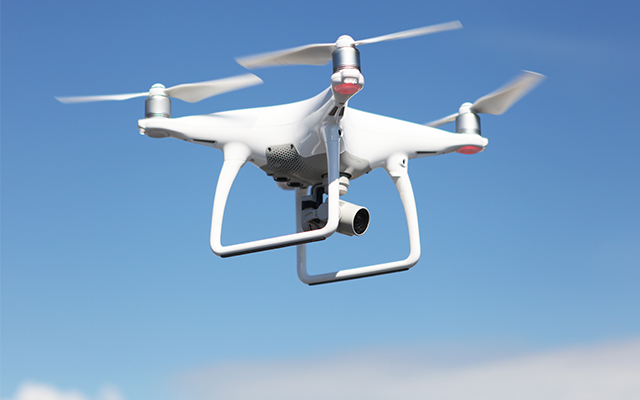
The scope of *ia usage militaire* extends far beyond the sensationalized concept of Lethal Autonomous Weapon Systems (LAWS). It encompasses a vast array of applications, including:
- Enhanced Surveillance and Reconnaissance: AI-powered analysis of satellite imagery, drone footage, and sensor data provides unprecedented situational awareness.
- Predictive Logistics and Maintenance: Optimizing supply chains and predicting equipment failures, ensuring readiness.
- Cyber Warfare and Defense: AI systems can detect sophisticated threats, automate responses, and even generate offensive cyber capabilities.
- Strategic Decision-Making Support: Assisting commanders in complex scenarios by analyzing vast datasets and recommending courses of action.
- Targeting and Intelligence Analysis: Processing massive amounts of intelligence to identify patterns and potential targets with greater speed and precision.
Each of these applications carries unique implications for global security, raising questions about accountability, bias in algorithms, and the potential for autonomous systems to make life-and-death decisions without meaningful human oversight.
Why National Governance Isn't Enough: Transcending Borders and Ethics
The argument that *ia usage militaire* should be governed solely at the national level, primarily due to security concerns, is increasingly untenable. First, AI technologies, by their very nature, transcend national borders. A sophisticated cyber weapon, for instance, can be developed in one country and deployed globally, affecting critical infrastructure thousands of miles away. Similarly, autonomous weapons developed by one nation could provoke an immediate response from another, leading to rapid escalation that no single national framework could contain. The global implications necessitate coordinated governance and oversight.
Second, the existing frameworks for defense cooperation, such as those within the European Union, demonstrate the inherent need for collaborative approaches to shared security challenges. Relying solely on fragmented national regulations would create dangerous loopholes, foster regulatory arbitrage, and ultimately undermine efforts to ensure responsible innovation. The ongoing war in Ukraine has served as a stark illustration of how AI is already shaping military strategies and national security, dubbed by Time’s Vera Bergengruen as the "first AI war." Drones, AI-powered targeting systems, and advanced communication networks have been deployed by both sides, showcasing the immediate and tangible impact of these technologies on the battlefield. This real-world application underscores the urgency of establishing international norms, especially concerning ethical considerations surrounding AI in warfare. Without a global consensus, the risk of a race to the bottom in ethical standards, where states prioritize technological advantage over human values, becomes dangerously high.
Tech Giants at the Forefront: Navigating the Ethical Minefield
The development of advanced AI often originates within the private sector, placing corporate tech players at the confluence of innovation and geopolitical tensions. This dynamic introduces a complex ethical minefield. Companies like OpenAI, a global leader in AI research, have publicly advocated for greater oversight over military AI, emphasizing the risks of runaway developments. Yet, even while calling for regulation, the lines are blurring. In January 2024, OpenAI updated its usage policies to remove a blanket ban on military applications, signaling a potential shift in stance.
Even more explicitly, Meta announced a significant policy change, allowing US national security agencies and defense contractors to utilize its open-source artificial intelligence model, Llama. This decision marks a departure from Meta’s typical prohibition against using its models for "military, warfare, nuclear industries or applications, [and] espionage." This move, detailed further in
Meta's AI Shift: How Tech Giants Navigate Military AI's Ethical Battleground, highlights a critical tension: the desire for technological advancement and competitive advantage versus the ethical implications of aiding military capabilities. When private companies, driven by market forces and national interests, directly contribute to military AI development, the need for robust governance becomes even more pressing. It raises questions about corporate responsibility, the potential for technology to be used for unintended purposes, and the role of private actors in shaping global security.
Charting a Path Forward: The EU's Role in Global Standards and Responsible Innovation
Given this complex and volatile environment, the European Union has a critical opportunity, and indeed a responsibility, to position itself as a leader in shaping safeguards for high-risk uses of AI and promoting global norms and ethical standards for *ia usage militaire*. The EU's experience in regulating AI for civilian applications, particularly with its proposed AI Act, provides a strong foundation for an inclusive initiative to set global standards. This isn't just about regulation; it's about fostering responsible innovation that prioritizes human security and international stability.
Practical steps for establishing a robust global governance framework could include:
- Developing Common Definitions: Establishing universally accepted definitions for terms like "military AI," "autonomous weapons systems," and "meaningful human control" to create a shared understanding.
- Promoting Transparency and Accountability: Encouraging states to be transparent about their military AI research, development, and deployment, and creating mechanisms for accountability for AI-related incidents.
- Establishing Norms and Principles: Developing a set of non-binding principles for responsible military AI use, similar to those for chemical or biological weapons, that emphasize human dignity, international humanitarian law, and ethical oversight.
- Facilitating Multilateral Dialogues: Creating platforms for ongoing discussions among states, international organizations, civil society, and tech companies to address emerging challenges and build consensus.
- Investing in AI Safety Research: Collaboratively funding research into AI safety, bias mitigation, and robust testing methodologies to ensure reliability and prevent unintended consequences.
As explored in
EU's Call to Action: Shaping Global Standards for Responsible Military AI, the EU is uniquely positioned to spearhead such an initiative. Its commitment to democratic values, human rights, and multilateralism makes it a credible convener for a global dialogue that can transcend geopolitical rivalries and build a consensus for responsible military AI.
In conclusion, the unaddressed governance void surrounding military AI, or *ia usage militaire*, represents one of the most pressing global security challenges of our time. The rapid pace of technological innovation, coupled with intense geopolitical competition and the increasing involvement of private tech companies, demands an urgent and coordinated international response. By embracing its role as a normative power, the EU can champion an inclusive initiative to establish global standards, uphold ethical principles, and ensure that the powerful capabilities of military AI are harnessed responsibly, thereby safeguarding international peace and security for generations to come.