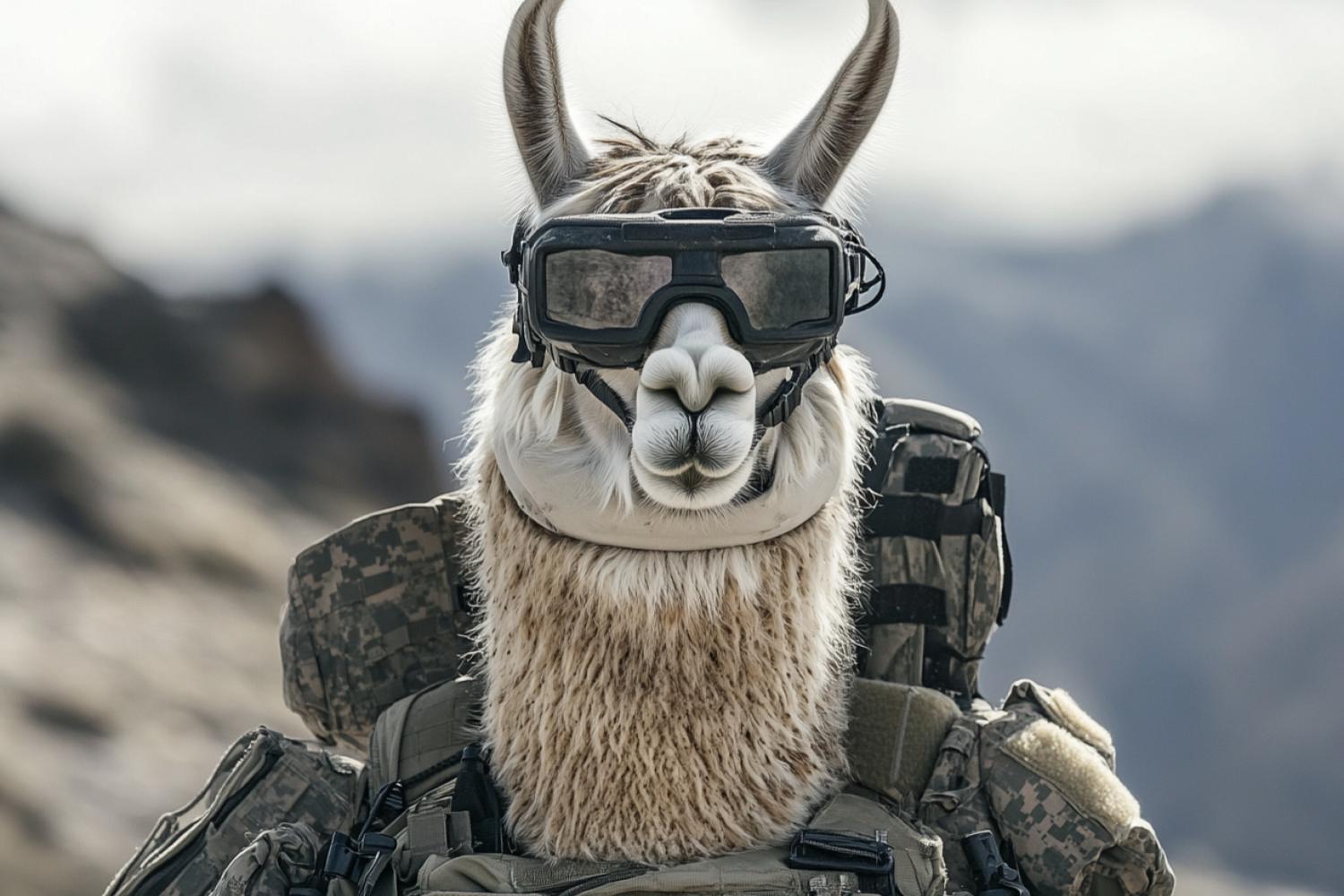
Meta's AI Shift: How Tech Giants Navigate Military AI's Ethical Battleground
The convergence of advanced artificial intelligence with military applications marks one of the most significant and ethically complex challenges of our time. As AI capabilities expand at an unprecedented pace, tech giants, traditionally focused on consumer and enterprise markets, find themselves increasingly drawn into the intricate web of national security and defense. This involvement, particularly regarding the development and deployment of ia usage militaire (military AI usage), ignites a fierce debate over ethics, global security, and corporate responsibility. At the heart of this evolving landscape is Meta's recent pivot, signalling a broader shift among Silicon Valley's titans.
For years, a distinct line separated commercial AI innovation from its potential weaponization. Many leading AI developers, including OpenAI, have historically advocated for greater oversight over military AI and even imposed self-regulatory bans on the use of their technologies for warfare. However, the geopolitical realities of an increasingly tense world, coupled with the allure of lucrative government contracts and the imperative of national defense, are blurring these once-clear boundaries. The question is no longer if AI will be used in warfare, but how, by whom, and under what ethical frameworks.
The Shifting Stance of Tech Giants: Meta's Pivotal Decision
Meta, a global leader in AI research and development, recently made a significant policy reversal concerning its open-source large language model, Llama. Historically, Meta's terms of service expressly prohibited the use of Llama for "military, warfare, nuclear industries or applications, [and] espionage." This stance reflected a prevailing caution within the tech community regarding the ethical implications of contributing to autonomous weapons systems or enhancing surveillance capabilities for hostile purposes. Yet, in a move that underscores the immense pressure and complex calculations faced by tech giants, Meta announced in early 2024 it would make an exception for US national security agencies and defense contractors.
This decision is far from isolated; it reflects a broader trend where the lines between commercial AI and national defense are increasingly blurred. For companies like Meta, the calculus involves balancing their foundational open-source principles, their ethical commitments, and the strategic imperative to align with national interests, especially in an era of intense technological competition. The argument often made for such exceptions revolves around bolstering national security, ensuring democratic nations maintain a technological edge, and the belief that controlled access to advanced AI can prevent adversaries from gaining a dangerous advantage. However, this raises profound questions about accountability, the potential for misuse, and the erosion of ethical safeguards once championed by these very companies. The ongoing debate around the responsible ia usage militaire will undoubtedly see more such shifts.
A Perilous Regulatory Void: The Global Challenge of Military AI
Beyond individual corporate decisions, the broader landscape of ia usage militaire is characterized by a dangerous lack of a comprehensive global governance framework. This regulatory void leaves a powerful and rapidly evolving technology category largely unchecked, escalating risks to international peace and security. Without clear, internationally agreed-upon standards, the potential for an AI arms race intensifies, threatening to destabilize geopolitical relations and challenging the very foundations of international humanitarian law.
Major powers, most notably the United States and China, are locked in a high-stakes competition for dominance in emerging and disruptive technologies (EDTs), with AI at the forefront. China's 2019 white paper on national defense, for instance, explicitly championed theories of "intelligentized warfare," highlighting the strategic importance Beijing places on AI in its military doctrine. This competition creates a sense of urgency among international organizations, scientists, and researchers, prompted by the potential of runaway AI developments and their disruptive applications in the military domain. The specter of lethal autonomous weapons systems (LAWS) operating with minimal or no human intervention is a particularly stark illustration of these fears. For more insights into these challenges, read our detailed analysis: Military AI: Navigating the Global Governance Void and Security Risks.
The Broad Spectrum of Military AI Applications
The discussion around ia usage militaire often focuses on LAWS, yet the military applications of AI extend far beyond. AI's general-purpose nature means it can be applied to a vast array of tools and processes, fundamentally reshaping modern warfare. These applications include:
- Drones and Unmanned Systems: Enhancing autonomy, navigation, target recognition, and swarm capabilities.
- Cybersecurity: AI-powered threat detection, response, and proactive defense against sophisticated cyberattacks.
- Strategic Decision-Making: Processing vast amounts of intelligence, predicting adversary movements, and optimizing logistical supply chains.
- Intelligence, Surveillance, and Reconnaissance (ISR): Analyzing satellite imagery, intercepting communications, and identifying patterns from overwhelming data sets.
- Logistics and Maintenance: Predictive maintenance for military hardware, optimizing resource allocation, and streamlining operational planning.
The ongoing conflict in Ukraine has already showcased how AI is shaping military strategies and national security, dubbed by Time's Vera Bergengruen as the "first AI war." From commercial satellite imagery analyzed by AI to identify troop movements, to AI-enhanced targeting systems for artillery, the conflict serves as a stark reminder of AI's pervasive and transformative impact on the battlefield.
Charting a Responsible Course: The EU's Role and International Cooperation
The argument that military AI should be governed solely at the national level due to security concerns is becoming increasingly untenable. First, these technologies have implications that transcend national borders, demanding coordinated governance and oversight. Second, existing frameworks of defense cooperation, such as those at the EU level, demonstrate a precedent for multinational collaboration on sensitive security matters. Given these factors, there is a compelling case for the European Union to better position itself with clear normative and strategic options regarding ia usage militaire.
The EU has an essential role to play in shaping safeguards for high-risk uses of AI and promoting global norms and ethical standards. By spearheading an inclusive initiative to set global standards for the responsible use of AI in warfare, the EU can emerge as a critical player in navigating this geopolitical minefield. Such an initiative would need to bring together diverse stakeholders, including states, international organizations, civil society, and tech companies, to forge a consensus on fundamental principles. These could include human oversight, transparency, accountability, and the clear prohibition of certain AI applications deemed ethically unacceptable. For more on the EU's proactive stance, explore: EU's Call to Action: Shaping Global Standards for Responsible Military AI.
Navigating the Ethical Minefield: Tips for Tech Companies and Policymakers
Successfully navigating the ethical battleground of ia usage militaire requires a concerted effort from both the developers of AI and the policymakers tasked with its governance. Here are practical tips for each:
For Tech Companies:
- Establish Clear Internal Ethical Guidelines: Develop robust internal policies that define acceptable and unacceptable uses of AI, especially for dual-use technologies that have both civilian and military applications. Regularly review and update these guidelines.
- Engage Proactively with Policymakers: Don't wait for regulation. Offer expertise and insights to government bodies to help shape informed and adaptive policies regarding AI in defense.
- Prioritize Transparency and Impact Assessments: Conduct thorough ethical impact assessments for any AI system that could have military applications. Be transparent about your company's involvement in defense projects (where security permits) to build public trust.
- Invest in AI Ethics Research: Fund and participate in independent research on the ethical implications of military AI, helping to identify risks and potential mitigation strategies.
- Consider "Red Lines": Proactively identify and commit to not developing or deploying AI systems that cross universally accepted ethical boundaries, such as fully autonomous weapons without meaningful human control.
For Policymakers:
- Foster International Dialogue and Collaboration: Support and actively participate in international forums aimed at developing shared norms and regulatory frameworks for military AI.
- Invest in AI Ethics and Governance Expertise: Build internal governmental capacity to understand the technical nuances and ethical complexities of AI, rather than solely relying on industry input.
- Develop Adaptive Regulatory Frameworks: Given the rapid pace of AI development, regulations must be flexible enough to adapt to new technological advancements while remaining firm on core ethical principles.
- Promote Education and Public Awareness: Engage the public in an informed discussion about the benefits, risks, and ethical considerations of ia usage militaire to ensure broad societal consensus and democratic oversight.
Conclusion
The landscape of military AI is evolving rapidly, presenting both immense strategic potential and profound ethical dilemmas. Meta's recent policy shift is a stark reminder that tech giants are no longer peripheral players but central figures in this ethical battleground, grappling with the complexities of innovation, national security, and global responsibility. The absence of a robust international governance framework for ia usage militaire poses an undeniable risk to global security. As AI continues to reshape military capabilities, the imperative for concerted, inclusive, and principled action from states, international organizations, and tech companies alike has never been more urgent. The future of warfare, and indeed global stability, hinges on our collective ability to navigate this new frontier responsibly.